How does a blind, wingless beetle become stranded on isolated mountains across Arizona?
For Grey Gustafson, an associate professor in Northern Arizona University’s Department of Biological Sciences, questions like these are more than scientific puzzles. They are windows into the history of Earth’s wildlife.
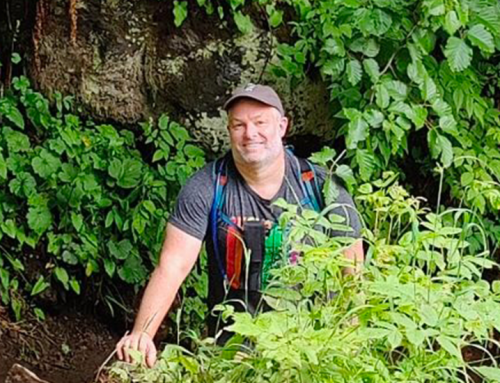
Gustafson arrived at NAU in 2020 and serves as curator of the university’s arthropod collection. Studying the evolution and biodiversity of insects, his research combines fieldwork, genomics and the fossil record to understand how species originated, adapted and spread across the globe.
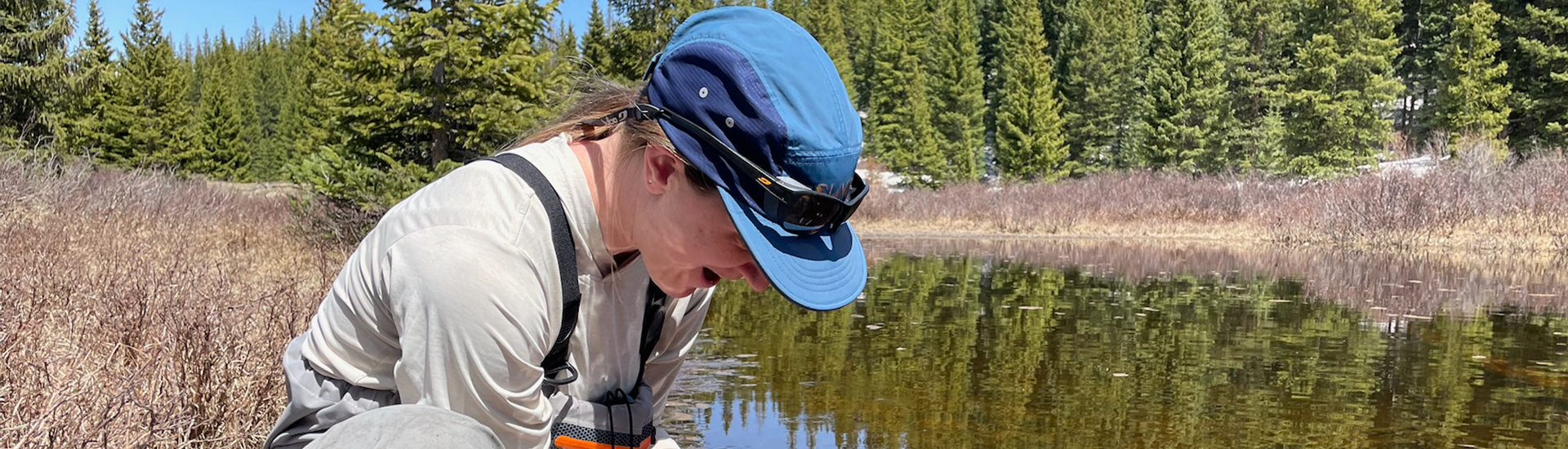
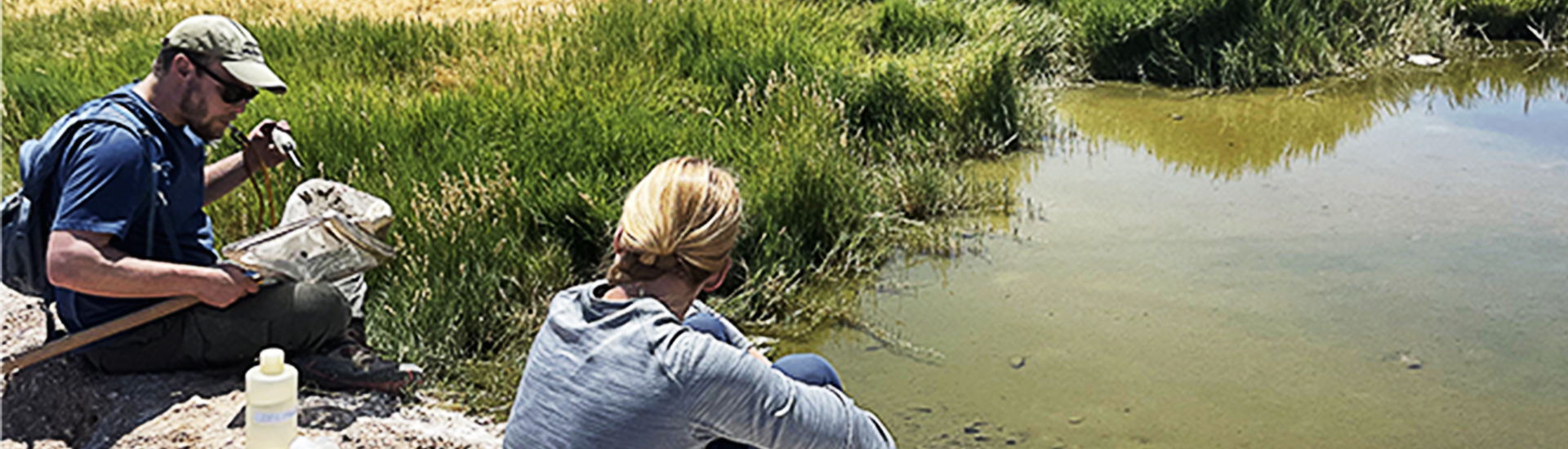
“My job sort of combines my favorite things to do,” Gustafson said. “The best way to do it is to go see where they live and how they exist in the world.”
His fascination with insects began long before he became a scientist. As an undergraduate at the University of Kansas volunteering in an insect laboratory, he encountered a whirligig beetle for the first time.
“I saw the coolest organism I’d ever seen in my life,” he said.
That discovery helped start a career that led him from Madagascar’s rainforests to the mountains of the American Southwest.
One of Gustafson’s current projects focuses on montane giant tiger beetles found in Arizona’s Madrean Sky Islands, isolated mountain ranges surrounded by desert. By analyzing genome sequence data, his research team discovered that the beetles likely originated more than 2 million years ago, when forests connected many of the mountain ranges.
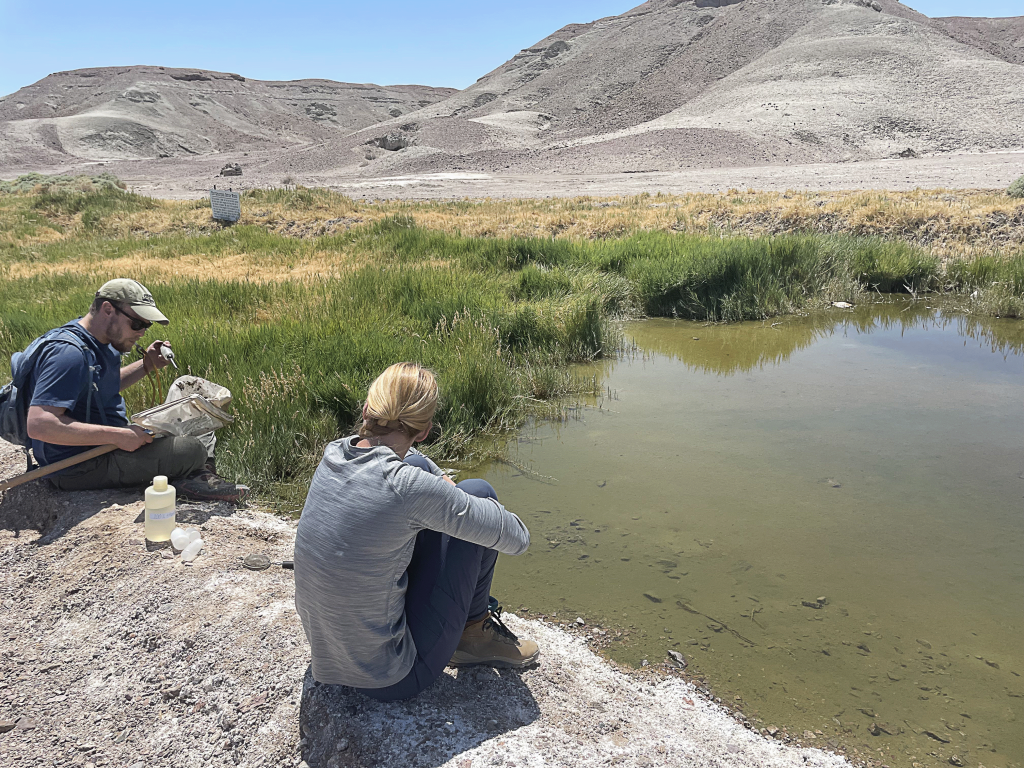
Those forests disappeared as the region became warmer and drier, secluding beetle populations on separate peaks. Today, each mountain range contains its own population, providing scientists with a unique opportunity to study their evolution.
The findings also raise conservation concerns. Because the beetles cannot easily move between mountain ranges, they may struggle to adapt as climate change alters their habitats.
“Once they’re lost from those islands in southern Arizona where they’re found, that’s really it,” Gustafson said.
While tiger beetles are just one group among the millions of insect species on Earth, Gustafson believes they showcase why biodiversity research matters. Beetles represent roughly one-quarter of all described animal species, yet scientists are still discovering basic information about many of them.
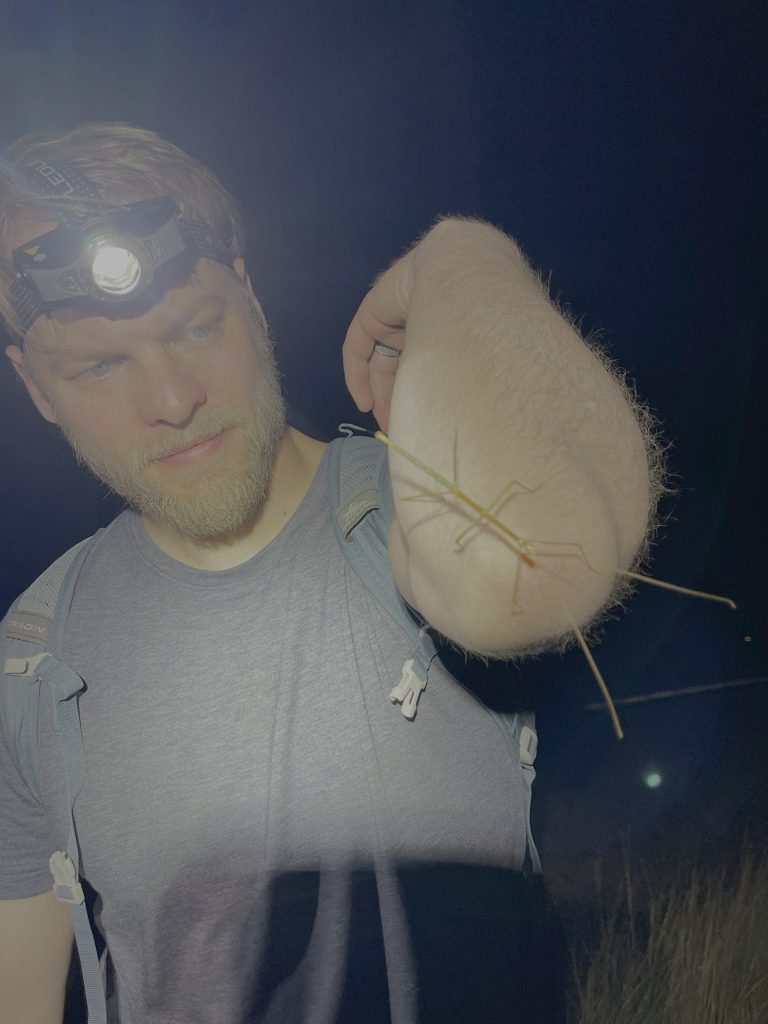
Researching insects can reveal how ecosystems function, how species respond to environmental change and how life has evolved over millions of years. For Gustafson, those discoveries are valuable not only to scientists, but to society as a whole.
“I think it’s absolutely essential that we preserve and appreciate it, so that we can understand the history of our planet,” he said.
That sense of curiosity continues to drive his work. Whether studying ancient beetle lineages or modern populations in Arizona’s mountains, Gustafson hopes his research helps people better understand the remarkable diversity of life that exists all around them and why protecting it matters. Every species has a story to tell, and understanding those stories can help scientists and the public better appreciate the remarkable diversity of life on Earth.
Interviewed and written by Dominic Borja