 W.L. Gore & Associates (Gore) has almost 40 medical devices and accessories currently available in the U.S. market that have received regulatory approval from the U. S. Food & Drug Administration. What goes into making a medical device though?
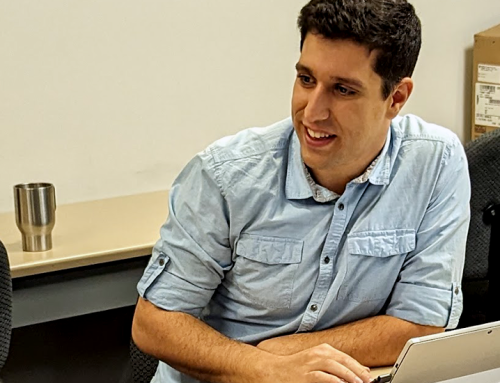
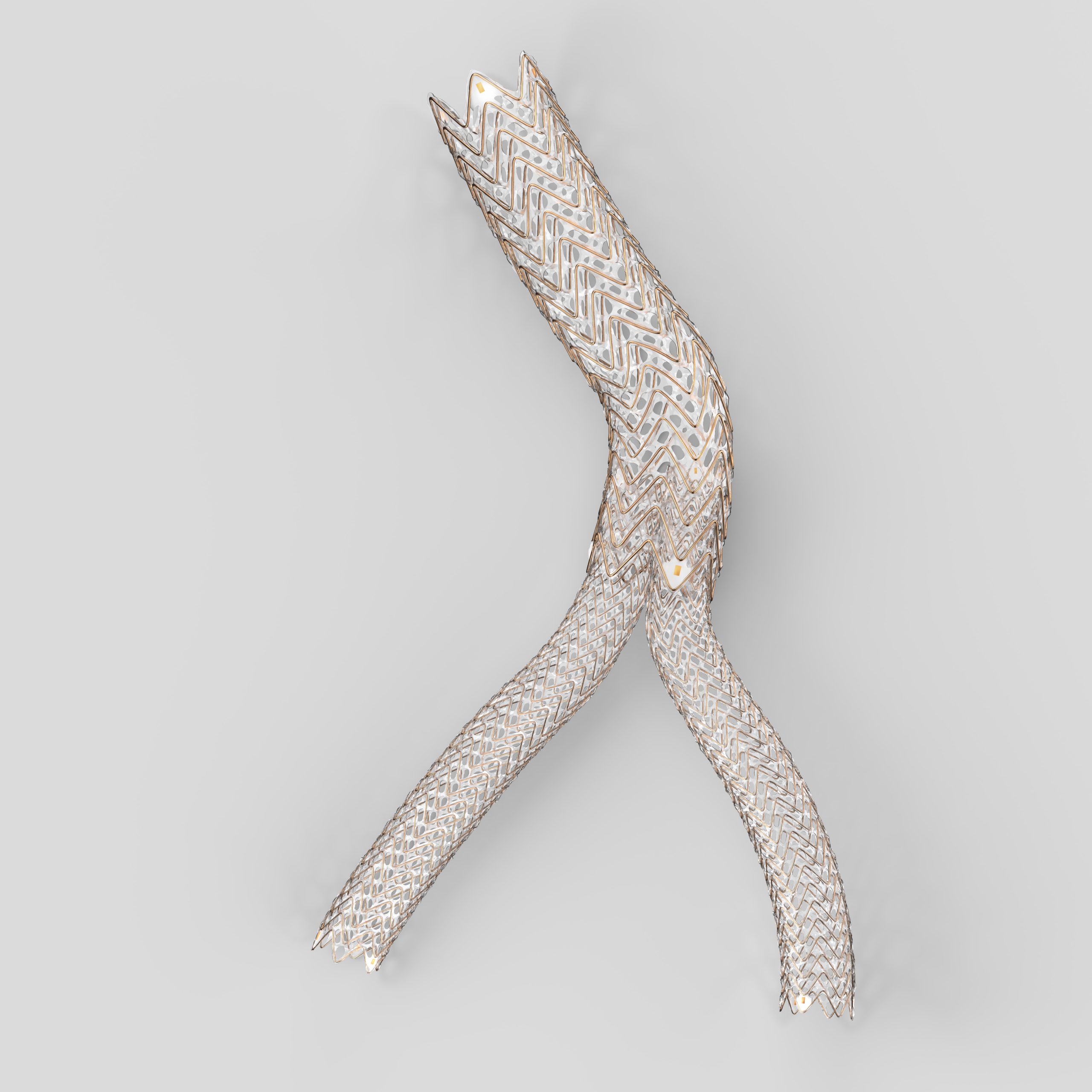
For the recently approved GORE® VIABAHN® FORTEGRA Venous Stent, that looked like seven years of collaboration to ensure the device is safe to use and does what it was designed to do, which is address disease in the inferior vena cava, the largest vein in the body. Product specialist Gabe Donatell has been involved in the device’s development since day one.
“We look for those opportunities where there’s something that will likely have a high impact on patients,” he explains. “There’s a need from physicians, and we think we have technology that we can provide to address an unmet need.”
It typically takes about seven years to bring a medical device from concept to regulatory approval, involving many teams at each stage:
- Market research kicks off the process as teams identify a problem to solve.
- Specifications are defined to explain how the product will be used and what it aims to address.
- During risk management work, teams consider how a device might not work and explore ways to prevent that.
- During benchtop testing, the device is tested under controlled conditions to assess safety and simulate various use states. Teams may adjust the design as needed based on their findings in this critical step.
- If testing goes well and it’s determined that there is high benefit to patients, clinical trials can begin.
- Once enough data has been gathered from clinical trials, the team can apply for regulatory approval.
Seeing the tangible impact of this type of work is one of the first things that interested Gabe in a career in science. He credits an anatomy and physiology class in high school with providing a fun challenge that further encouraged his interest in the field, leading him to complete an undergraduate program in biomechanical engineering.
“I remember thinking, ‘You can loop in anatomy and physiology to this.’ It was exciting because it made a lot of the physics principles more real when it came to people’s health,” he says. “You get to explore some really tangible ways to apply the things you learn.”
Gabe came to Gore directly from grad school and has worked with many different products throughout his 21-year tenure, even demonstrating how they are used for attendees at Science in the Park, helping to inspire the next generation of scientists.
As a long-time sponsor of the Flagstaff Festival of Science, Gore aims to continue inspiring young innovators by expanding access to hands-on science experiences and fostering a lasting passion for STEM learning.
Visit goremedical.com for more information.