
What if conservation—as we’ve long understood it—is no longer enough? After twenty-five years of drought in the Southwest, I’ve come to feel that this moment calls not only for new strategies around water sustainability, but for a deeper reflection on the relationships we hold with water itself.
At the Flagstaff Festival of Science, I’ll be offering a session titled “Beyond Conservation: Rewriting the Water Story of the Southwest.” In it, I’ll share insights from my newly published book, Conservation is Not Enough: Rethinking Relationships with Water in the Arid Southwest, along with findings from five semesters of research I conducted with my students. Together, we collected 95 in-depth water narratives from people across the region. We never asked about “conservation,” yet it came up in every single interview—across all ages, racial, cultural, and socioeconomic backgrounds, and political identities. What emerged was clear: there is a deeply embedded culture of conservation in the Southwest.
This culture carries real weight. People feel a personal and moral obligation to conserve. And yet—shrinking reservoirs, aquifer depletion, and ecological stress continue. Through this work, I’ve come to question whether our inherited ideas about conservation—rooted in colonial-era logic and in a worldview that sees water as a resource to be used, managed, and controlled—are still serving us today. Or could it be that the very mindset we’ve relied on to protect water is also what’s keeping us from imagining something truly different?
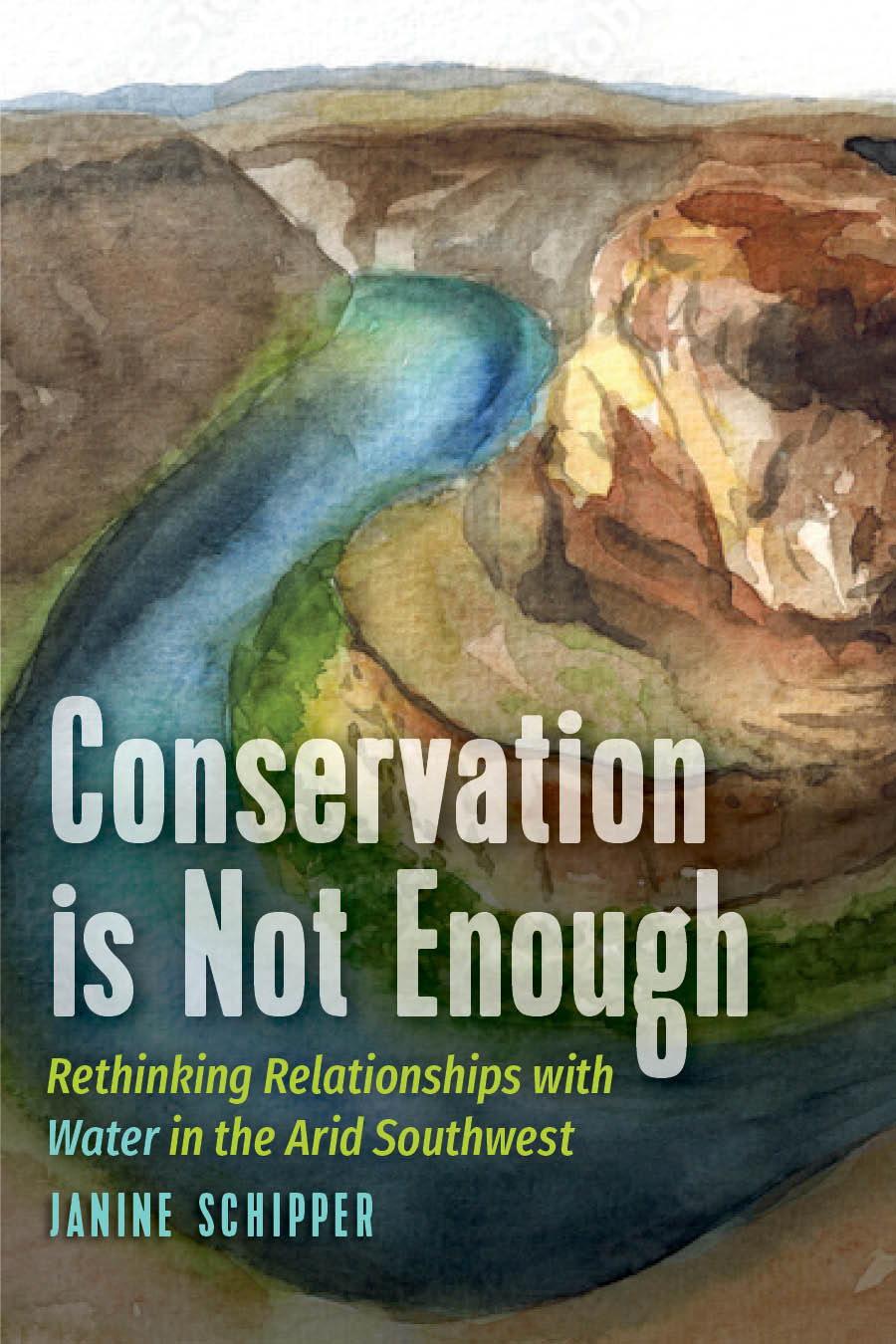
As I write in the book:
“I became intrigued by this devotion to conservation as if it were a kind of holy grail, a strong moral precept, something that could save us. If it were, then why hasn’t it?”
As a public sociologist, my work invites collective reflection—beyond technical fixes—on the deeper cultural patterns shaping our relationship with water. In this session, we’ll explore how dominant ways of thinking about water have influenced policy, practice, and even personal ethics. Drawing from deep ecology, Indigenous perspectives, and my own journey of listening, learning, and rethinking, we’ll explore what it might mean to reimagine water not as a commodity, but as sacred, as communal, and as a living relation.
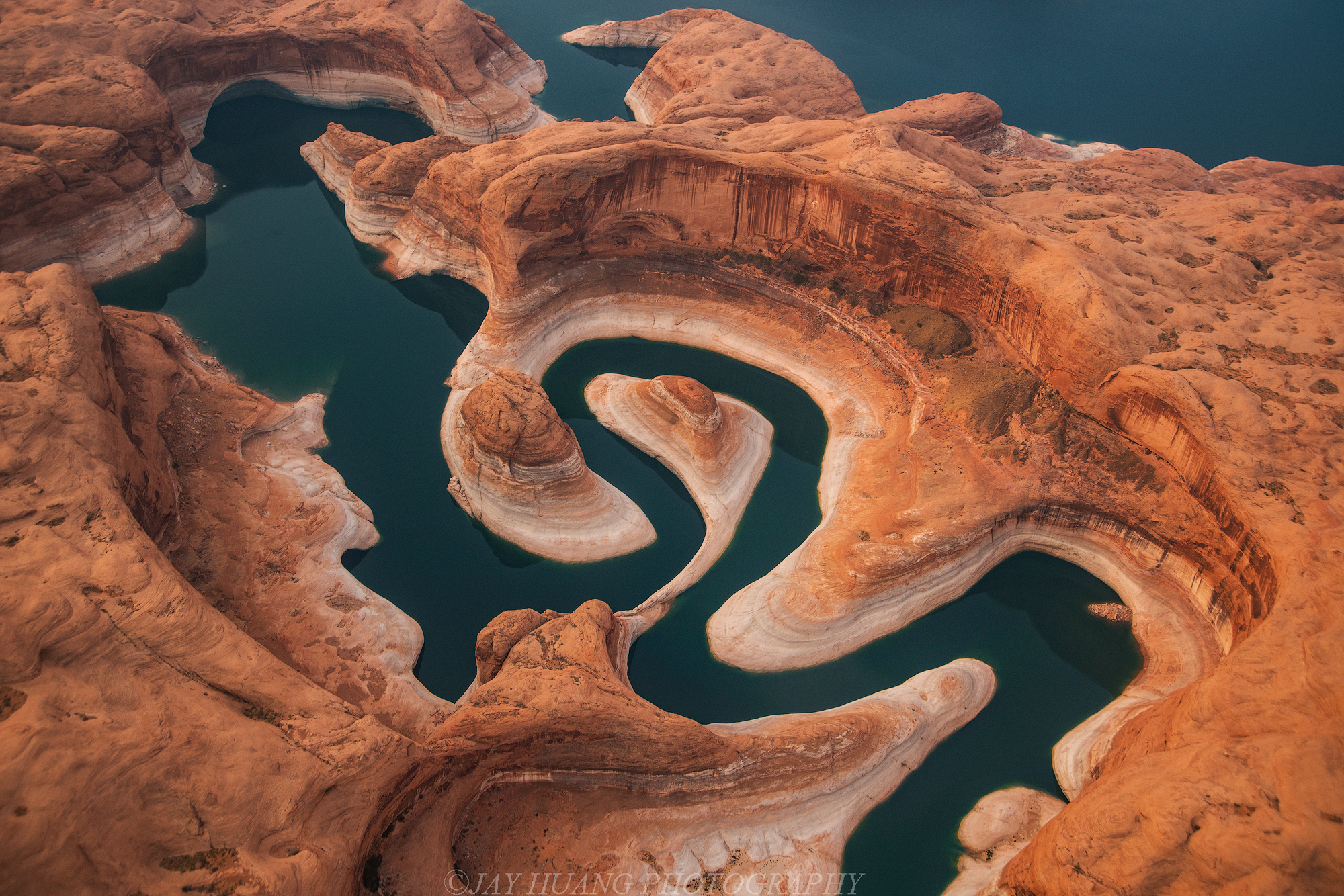
“Over the years, I have come to not only appreciate living in the Southwest, I have come to love living here. And as with everything I love, I also feel heartbreak when the land is hurt in some way.”
This 60-minute program will include a 30-minute presentation followed by discussion. My hope is to create space for reflection and conversation, and to consider how each of us can participate in a much-needed shift.
“I wanted to consider what it means to love a place fiercely while knowing that, by living here, I contribute to the impending water crisis.”
Together, we’ll explore the paradoxes we face—and the wisdom available to us—at a moment when our water future depends not just on better policies, but on a broader cultural transformation. A shift is possible. And it begins with the stories we tell.


 Board member, Adam Marsh, and lead paleontologist at Petrified National Forest, works with a team of scientists to uncover an approximately 300 million-year-old fossil skeleton discovered at Canyonlands National Park in Utah (June 2024)
  Board member, Kathy Farretta, joins the Arizona Historical Society as the Pioneer Museum’s new Museum Manager, a position that was vacant for nearly five years. (December 2025)